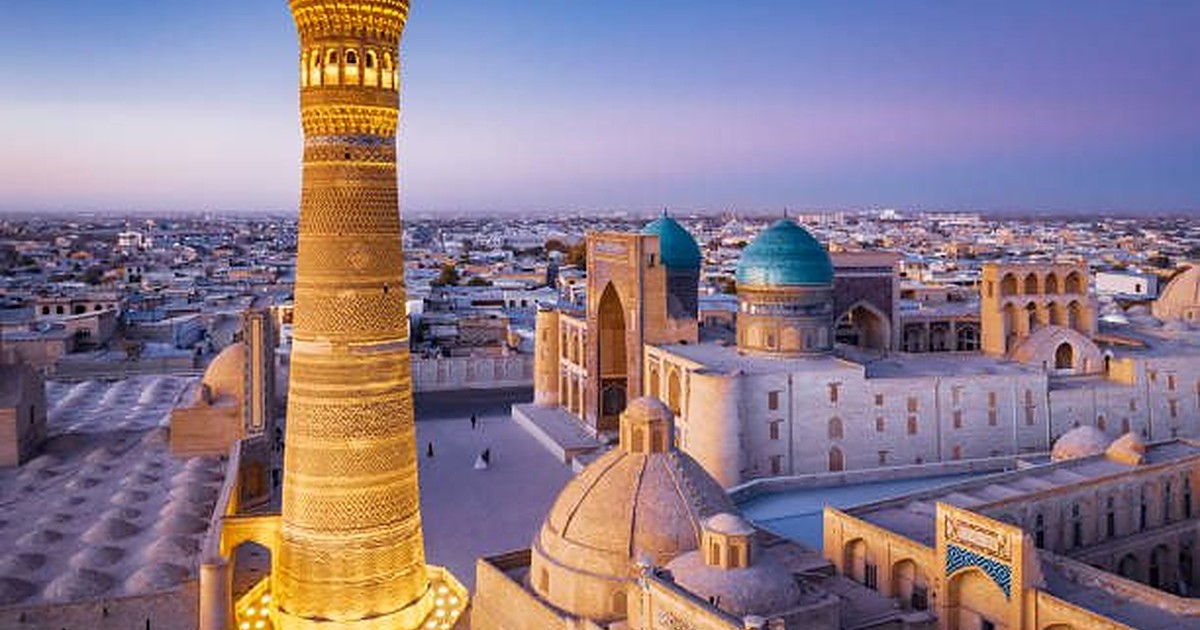
The Seven Saints of Bukhara: A Guide to the Naqshbandi Pilgrimage
Bukhara is known for its madrasas and minarets, but the city has another side: it is a centre of Sufi tradition. In and around Bukhara lie the shrines of seven masters. A visit to all seven is called the Seven Saints pilgrimage, or the pilgrimage of the Seven Pirs.
This guide explains who these saints are in simple terms, which shrines you visit, and how a one-day private pilgrimage from Bukhara is organised.
Who were the Seven Saints?
The seven saints are great masters of the Naqshbandi Sufi order, also known as the Khwajagan, "the masters". They are remembered as teachers who shaped Central Asian Sufism and whose tombs became places of ziyorat, the Uzbek word for visiting a holy site.
We keep this guide to what our tour programme states and do not give biographies or dates here, because accounts differ and your guide can tell the stories properly on the road. Your guide can tell the stories at the shrines themselves.
The seven shrines on the route
The Bukhara - Seven Saints (7 Pir) Pilgrimage visits these shrines:
- Abdukhaliq Gijduvani (in Gijduvan)
- Arif Rivgari
- Mahmud Anjir Faghnavi
- Ali Ramitani
- Muhammad Baba Samasi
- Sayyid Amir Kulal
- Bahauddin Naqshband, the main shrine near Bukhara
Some of the shrines are outside the old city, so the route is done by vehicle with a guide.
Bahauddin Naqshband: the main shrine near Bukhara
Bahauddin Naqshband gave his name to the Naqshbandi order, and his shrine near Bukhara is the main shrine of the route. It is a place of pilgrimage for many people, and also of interest to travellers curious about the culture.
Expect a calm, respectful atmosphere. Quiet voices and patience matter more here than any camera. Your guide will tell you where you can take photographs and where you should not.
Abdukhaliq Gijduvani and the road to Gijduvan
The first shrine on the list, Abdukhaliq Gijduvani, is in Gijduvan. The drive there also shows you a quieter side of the Bukhara region: villages, fields and small roadside towns. Gijduvan is also known for ceramics, a craft you can also see on the Samarkand · Nurata · Aydarkul · Bukhara route, which stops there on day 3.
How the full-day pilgrimage works
This is a one-day, private tour, so you travel with your own party and set the pace with the guide. According to the programme on our site, the tour includes:
- private transfer with pick-up and drop-off in Bukhara
- comfortable transport for the whole day
- an experienced local guide
- visits to all seven saints' shrines
- bottled water
Not included: international flights, Uzbekistan visa or e-visa if required, travel insurance, personal expenses, tips and gratuities, and meals not mentioned in the programme. Plan lunch and other meals separately, and ask us if you would like suggestions.
Visiting etiquette: ask your guide
These are active places of prayer and remembrance, so general respect applies: modest clothing, a quiet manner and an open mind. We do not publish site-by-site rules, because they can differ from shrine to shrine and may change. Your guide briefs you before each visit, and you can ask any question on the way. If you are unsure what to wear, send us a message before you arrive.
Combining the pilgrimage with Old Bukhara
You can do the pilgrimage on one day and the city on another. The One Day Bukhara Tour is a walking tour of the Old City with an English-speaking guide, covering Lyabi-Hauz, Kalyan Minaret and Mosque, the Ark Fortress and more. If you are building a longer trip around Bukhara, our Uzbekistan travel guide gives the wider picture.
Planning your pilgrimage day
A pilgrimage day is different from a sightseeing day. Tell us if you would like extra time at the shrines, and your guide will adapt the pace. Travel light, carry a scarf or head covering if you wish, and keep your phone on silent.
It helps to tell us your interests in advance. Some visitors come mainly for the spiritual side and want more time at each shrine. Others are curious about history and ask many questions. Tell us your interests when you enquire. If you travel with elderly relatives or children, tell us when you enquire.
After the visits you can return to your hotel in Bukhara for a quiet evening. The private transfer includes drop-off in Bukhara, so you do not need to arrange the way back yourself.
FAQ
Is this a religious tour only for Muslims? The route is spiritual in meaning. Visitors of any background are welcome to ask us about the tour; we ask everyone to behave respectfully at the shrines.
How long is the tour? It is a full-day tour. Tell us your preferred start time when you enquire and we will confirm the schedule.
Is the tour private? Yes. It is an individual tour with a private transfer.
Can I combine it with the Old Bukhara tour? Yes, on separate days. The two tours are different in character: one is a drive between shrines, the other a walk through the city.
Are tickets or donations needed? Entrance tickets are not listed on the site for this tour. Ask us before the trip and we will confirm what to expect.
Book the pilgrimage
Book the private pilgrimage on the Seven Saints tour page, or combine it with the Old Bukhara walking tour. Send Triptonia your dates and we will confirm the plan.
---
Contattaci — Prenota
I nostri esperti creeranno il viaggio perfetto